Why Orange County Screen Printing Still Matters for Local Business Apparel
Getting Your Brand on People's Backs
There is something about a well-worn t-shirt with a logo that feels different from a digital ad. It walks around town, sits in coffee shops, and gets seen by people you never paid to reach. For businesses in Southern California, getting that physical presence right often starts with a good print shop. Orange County screen printing has been a go-to method for decades, and for good reason. It is not the newest technology, but it remains one of the most reliable ways to put a design on fabric and make it last.
I have worked with a handful of shops over the years, both as a customer ordering for a team and as someone who helped friends start small clothing lines. The difference between a print that fades after three washes and one that still looks sharp after a year comes down to technique and materials. Screen printing, when done right, gives you that durability. It is why you still see vintage band shirts from the 90s holding up. The ink bonds with the fabric in a way that digital methods sometimes struggle to match, especially on cotton.
What Makes Screen Printing Different
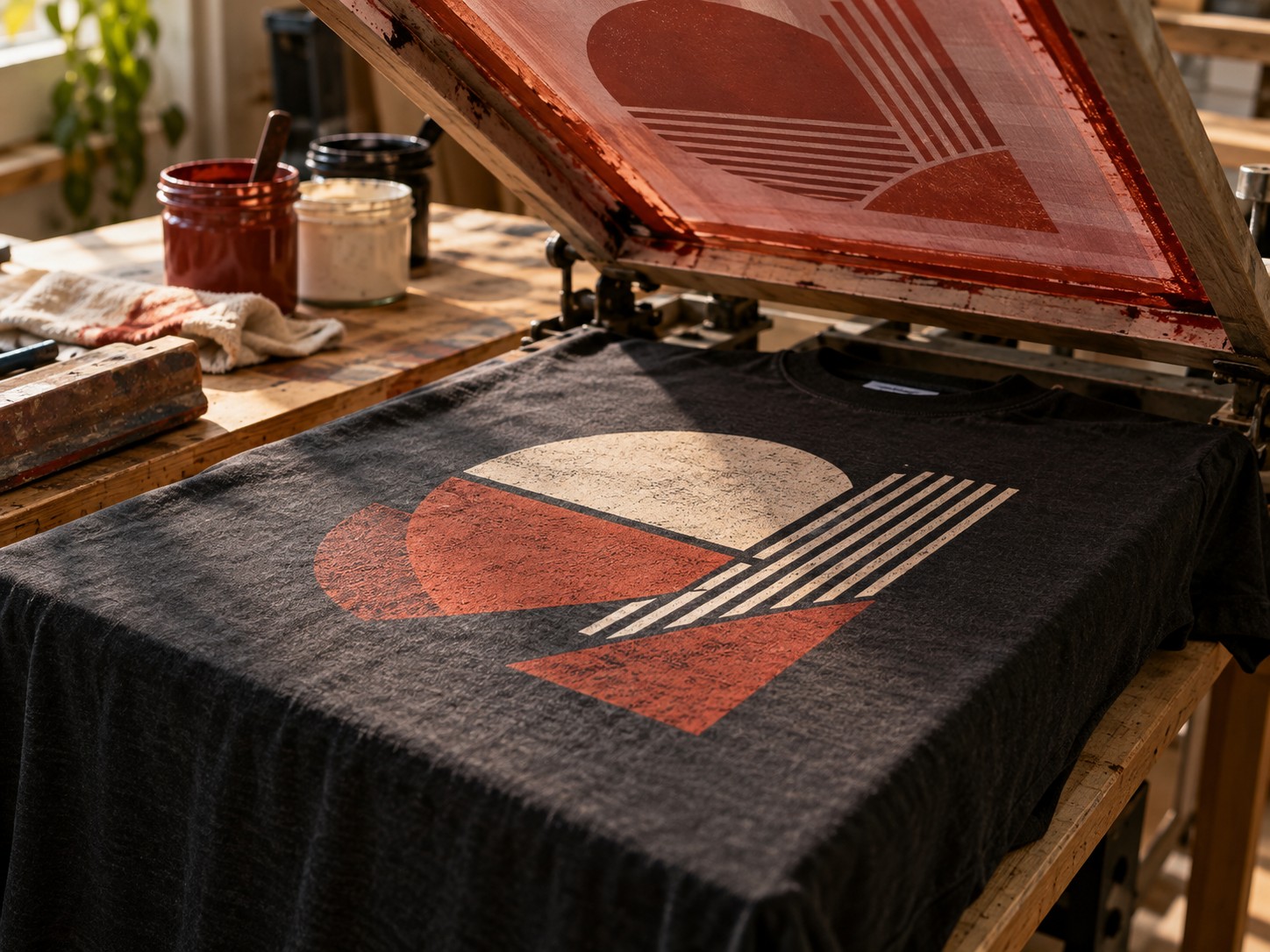
The process itself is straightforward but requires real skill. A screen is made for each color in the design. Ink is pushed through the mesh onto the garment. Each color gets its own screen, its own alignment, its own drying time. That is why multi-color jobs cost more and take longer. But the result is ink that sits on top of the fabric rather than soaking in and fading out. For bold logos and solid colors, it is hard to beat.
I remember ordering a batch of shirts for a small event once. The design had four colors and some fine text. The shop I went with rushed the job, and the registration was off. The white layer peeked out from behind the blue, and the text was blurry. It was a lesson in why you do not always go with the cheapest quote. Good Orange County screen printing shops take the time to line everything up correctly. They also use proper inks and cure them at the right temperature. That care is what separates a shirt you are proud to hand out from one you hope nobody wears in public.
Garment Choices Matter More Than You Think
Another thing I learned the hard way is that the blank shirt matters as much as the print. A cheap, thin tee might save you two dollars per unit, but it will warp in the wash and the print will crack faster. Midweight ringspun cotton is a safe bet for most orders. It feels soft, holds the ink well, and does not shrink dramatically. Some shops offer samples or swatch books. Take them up on it. Feeling the fabric in your hands tells you more than a product description ever will.
For work uniforms or giveaway items, polyester blends are common because they wick moisture and hold color longer. But screen printing on polyester requires low-bleed inks, because the fabric can react with standard plastisol and cause dye migration. That is a fancy way of saying the color of the shirt can bleed up into the white ink and turn it pink or yellow over time. A knowledgeable printer will warn you about this and suggest the right ink or a different garment. That kind of advice is worth paying for.
Design Considerations for Screen Printing
Not every design works well for screen printing. Fine details, tiny text, and gradients can be problematic. Halftones can simulate gradients, but they require higher mesh counts and careful setup. If your logo has a lot of small elements, consider simplifying it for apparel. A bold, clean version of your mark will print cleaner and last longer. I have seen companies try to cram their entire website URL and a tagline onto a small left-chest print. It ends up looking like a smudge. Less is more on a t-shirt.
Spot colors are the standard in screen printing. The printer matches your brand colors to the Pantone system, and that is what goes on the shirt. Four-color process (CMYK) is possible too, but it is more expensive and works best on light garments. For photographic designs, many shops now recommend direct-to-garment (DTG) printing instead. But for solid blocks of color and text, screen printing is still the king. That is why Orange County screen printing remains a popular choice for schools, sports teams, and companies ordering in bulk.
Embroidery as a Companion Service
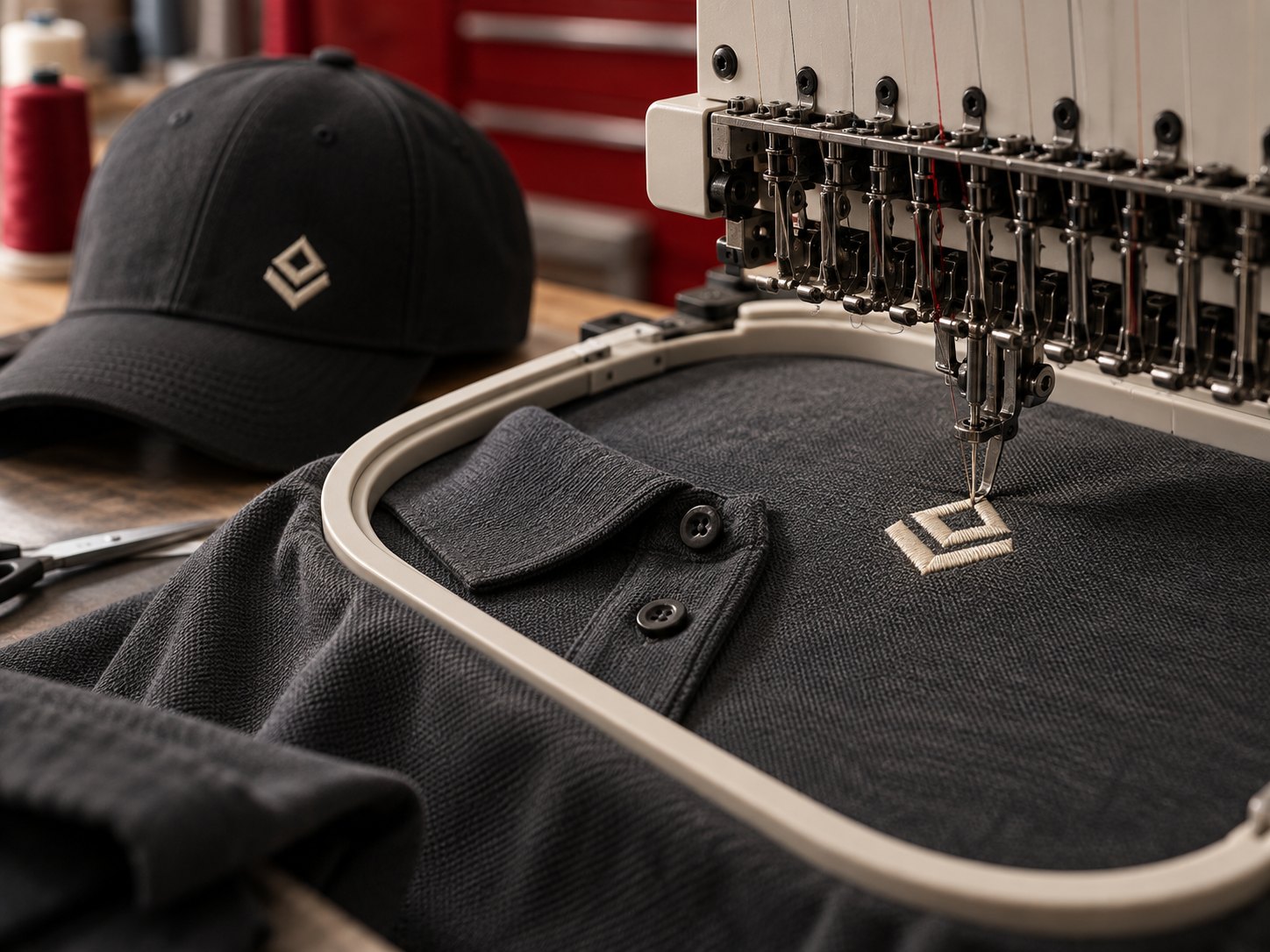
Screen printing is not the only option. Embroidery gives a different look and feel, one that is often seen as more professional or premium. Polos, hats, and jackets usually look better with an embroidered logo. The thread adds texture and depth. It also lasts longer on items that get washed frequently, because there is no ink to crack or peel. Many print shops offer both services, which is convenient if you need t-shirts for the staff and embroidered polos for the management team.
One thing to keep in mind with embroidery is the digitizing cost. The design has to be converted into a stitch file. That is a one-time fee, but it can surprise people who are used to just sending a PDF for screen printing. Also, very small text or intricate details can get lost in the thread. A good digitizer will simplify the design so it stitches cleanly. If you are ordering embroidered hats, the curvature of the crown can distort the logo, so placement and size matter. A skilled shop will know how to adjust for that.
Ordering in Bulk vs. Small Runs
Screen printing has traditionally favored larger orders because the setup cost is spread across more units. A typical minimum might be 12 or 24 pieces per design. Below that, the per-unit price jumps significantly. For small runs, DTG or heat transfer might be more cost effective. But for orders of 50 or more, screen printing usually wins on price and quality. I have placed orders for 200 shirts before and the per-shirt cost was less than half of what a small run would have been.
That said, some shops now offer simulated process or discharge printing that works well on dark garments without the heavy hand feel of plastisol. Water-based inks are also becoming more common. They soak into the fabric rather than sitting on top, which gives a softer feel. The trade-off is that they are harder to work with and require more careful curing. Not every shop offers them, but if you want a vintage, worn-in look from day one, it is worth asking about.
Practical Tips for First-Time Buyers
- Order one size sample before committing to the full run. Check the print placement, color accuracy, and overall feel.
- Ask about the ink type. Plastisol is standard and durable. Water-based is softer but can be trickier for light colors on dark shirts.
- Confirm the turnaround time. Rushes usually cost extra, and some shops book weeks out during peak seasons like back-to-school or the holidays.
- Provide your artwork as a vector file (AI, EPS, or PDF) with fonts outlined. It saves time and reduces errors.
- If you are mixing screen printing and embroidery in one order, ask if the shop handles both or if they subcontract the embroidery. Subcontracted work can have different quality standards.
Why Local Still Wins
There is a lot to be said for working with a local shop. You can visit, see the equipment, feel the samples, and talk through the details face to face. Online-only printers can be cheaper, but if something goes wrong, you are stuck with email support and return shipping. A local printer has a reputation to uphold in the community. They want you to come back and to send your friends. That accountability often leads to better service and higher quality.
In Southern California, the apparel industry runs deep. There are plenty of options, but finding a shop that communicates clearly, delivers on time, and stands behind their work is worth the effort. Orange County screen printing has a strong base of experienced shops that have been doing this for years. They understand the local market and can advise on everything from design to garment selection to ink choices.
Final Thoughts on Getting It Right
Ordering custom apparel is not complicated, but it has enough moving parts that small mistakes can waste time and money. Take the time to plan your design with the printing method in mind. Choose a garment that fits your audience and your budget. Ask questions about the process before you pay. And if you find a shop that delivers quality work, stick with them. Consistency in your branded merchandise builds recognition over time.
Whether you are outfitting a crew, launching a product, or just want your team to look unified, the right print job makes a difference. It is one of those investments where doing it right the first time costs less in the long run than fixing a bad one later.
DSP Printing, located at 11611 Salinaz Dr Ste O, Garden Grove, CA 92843, USA, can be reached at +1 714-951-4919 for custom screen printing and embroidered apparel services for businesses and organizations in the area.
Connect with us on Instagram.